The Basics of Horse Care and Welfare: What Every Rider Should Know
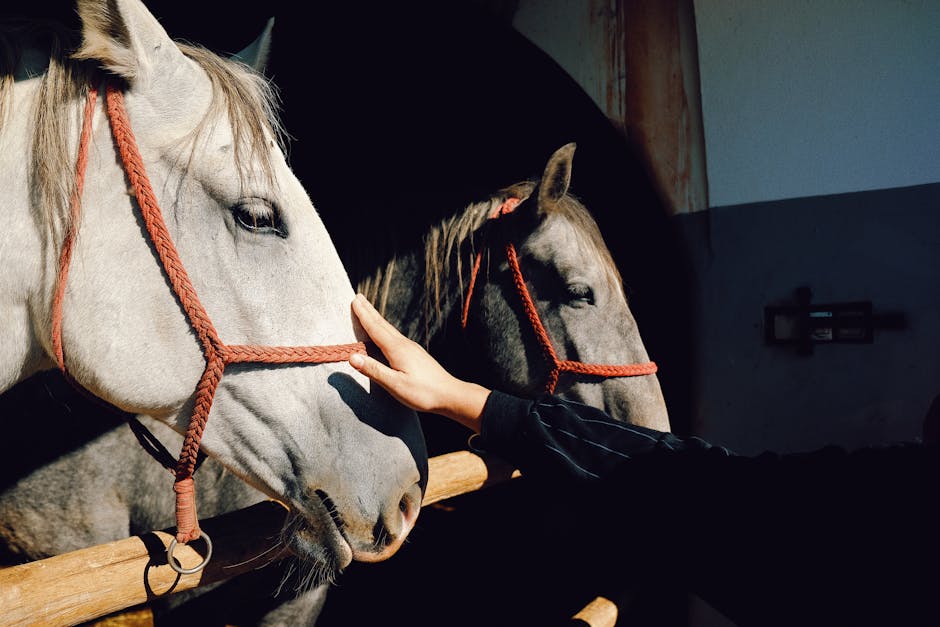
Whether you're a new rider or simply spending time around horses at Fernhurst Centre, understanding basic horse care and welfare is essential. Horses are complex animals with specific needs, and proper care directly impacts their wellbeing and your safety.
Daily care begins with observation. Healthy horses are alert, with bright eyes and ears. Their coat should be glossy (unless they're shedding), and they should move freely without lameness. Check for any unusual behaviour, discharge, or swelling. Early detection of problems prevents serious health issues.
Nutrition is fundamental. Horses are grazing animals designed to eat small amounts continuously throughout the day. They need quality hay or pasture as their primary food, supplemented with grains and concentrates depending on their workload and individual needs. Fresh water must be available constantly—a horse can drink 25-50 litres daily. Sudden changes to diet can cause serious digestive problems, so any feed changes should be made gradually over 10-14 days.
Grooming serves multiple purposes beyond appearance. Regular brushing removes dirt and dead hair, improves circulation, and allows you to check for injuries, lumps, or skin problems. Grooming also strengthens your bond with your horse and calms both animal and handler.
Hoof care is critical. Horses' hooves grow continuously and must be trimmed every 6-8 weeks by a qualified farrier. Neglected hooves lead to lameness and pain. Regular picking out—removing packed dirt and stones—prevents infections and allows you to spot problems early.
Essential aspects of horse welfare include:
- Regular veterinary check-ups and vaccinations
- Dental care—horses need teeth checked annually
- Parasite control through regular worming
- Appropriate shelter and safe fencing
- Companionship—horses are social animals and shouldn't be kept alone
- Regular exercise suited to the horse's age and fitness
- Mental stimulation and enrichment
Understanding horse behaviour is important for safety. Horses are prey animals with a strong flight response. They communicate through body language—ear position, tail carriage, and posture tell you how they're feeling. A relaxed horse has soft eyes, forward-facing ears, and calm posture. A stressed or frightened horse may have pinned ears, a raised tail, or tense muscles.
At Fernhurst Centre, we prioritise horse welfare above all else. Our horses are regularly assessed for fitness, soundness, and emotional wellbeing. We rotate work, provide adequate rest, and retire horses when they can no longer work comfortably.
Ultimately, good horse care is about respect and responsibility. Horses depend entirely on humans for their wellbeing. Taking this responsibility seriously ensures happy, healthy horses and safer, more rewarding experiences for everyone involved.