Running a Sustainable Equestrian Centre: Business and Animal Welfare
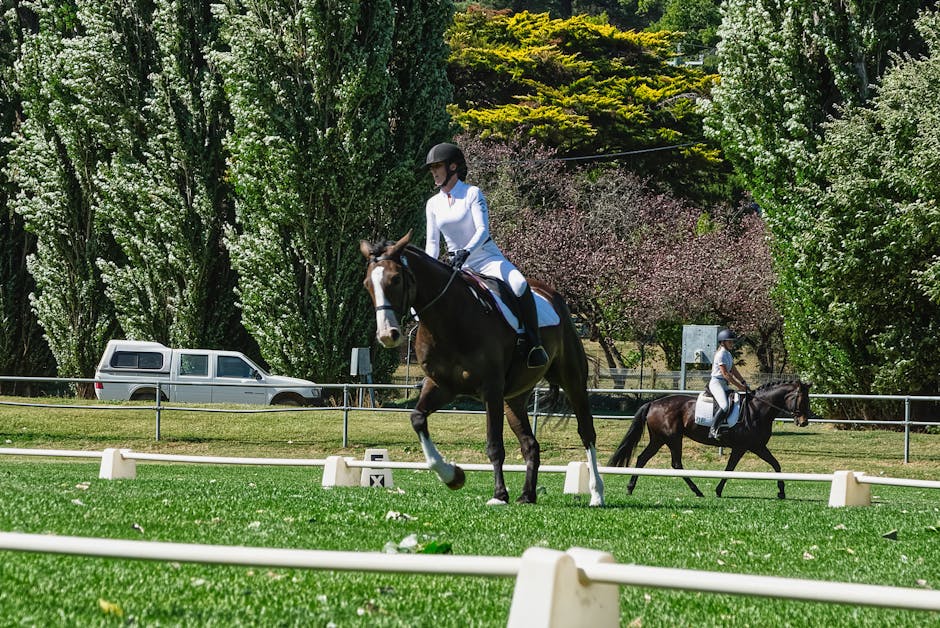
Running a successful equestrian centre like Fernhurst requires balancing two sometimes competing demands: financial sustainability and genuine commitment to horse welfare. This article explores how responsible centres navigate these challenges.
The financial reality is significant. Quality horse care is expensive. Feed costs, farrier services, veterinary care, insurance, staff wages, and facility maintenance represent substantial ongoing expenses. A single horse costs £5,000-£10,000 annually to keep properly. Centres with 20-30 horses face substantial overheads before earning any revenue.
Responsible centres resist the temptation to maximise income through overworking horses or cutting corners on care. Overworked horses develop health problems, become unsafe, and suffer emotionally. Cutting corners on farrier or veterinary care might save money short-term but creates serious problems and liability long-term. Quality always costs more initially but proves more sustainable.
Revenue streams for equestrian centres typically include:
- Riding lessons at various levels
- Livery services (boarding horses for owners)
- Therapeutic and specialist programmes
- Holiday camps and group activities
- Horse sales and training
- Events and competitions
- Grants and charitable funding
Diversifying income reduces dependence on any single source. A centre relying entirely on lessons is vulnerable if rider numbers drop. Offering therapy services, hosting events, or providing livery creates financial resilience.
Staffing is crucial but expensive. Experienced instructors, therapists, and yard staff are essential for quality and safety, but they require competitive wages. Burnout is common in equestrian work, so centres must support staff wellbeing or face constant turnover and declining quality.
Facility investment is necessary for sustainability. Well-maintained arenas, stables, and equipment last longer and operate more safely. Investing in covered arenas, good drainage, and quality surfaces requires capital but improves usability year-round and reduces injury risk.
Horse selection and management directly impact financial viability. Horses suited to their work—in temperament, age, and ability—stay sound longer and provide better experiences for riders. Centres that carefully match horses to their role, rotate work appropriately, and retire horses when needed maintain healthier herds.
At Fernhurst Centre, we've found that prioritising welfare actually supports business sustainability. Healthy, happy horses perform better and have longer working lives. Clients experience better outcomes and remain loyal. Staff stay longer when they work in environments where they're proud of the care provided. Reputation built on genuine quality attracts more clients and referrals.
Responsible centres also maintain transparency about their practices. We welcome visitors to see our facilities, explain our horse care protocols, and discuss our welfare commitments. This openness builds trust and attracts clients who value what we do.
The equestrian industry is evolving toward greater welfare standards and accountability. Centres that embrace this change and genuinely prioritise animal wellbeing position themselves well for the future. Short-term thinking—maximising profit at the expense of welfare—ultimately proves unsustainable both ethically and financially.