Creating a Safe and Inclusive Riding Environment for All Abilities
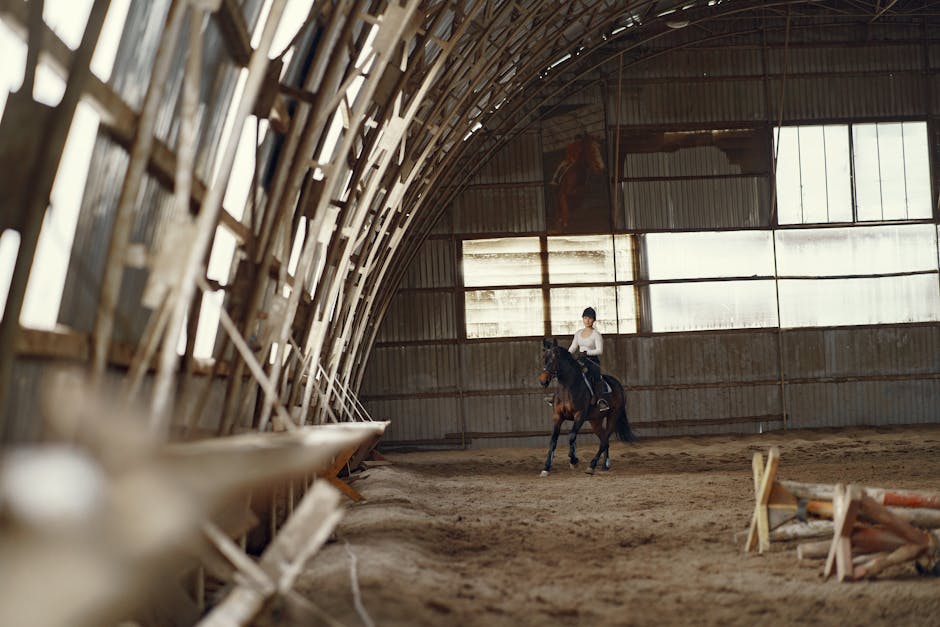
At Fernhurst Centre, we believe that everyone should have the opportunity to experience the benefits of working with horses, regardless of physical ability or developmental needs. Creating an inclusive equestrian environment requires thoughtful planning, trained staff, and genuine commitment to accessibility.
Physical accessibility begins with facilities. Our centre features accessible parking, level access to the yard and indoor arenas, and mounting blocks or ramps to help riders of varying heights and mobility levels. For those with mobility challenges, we use specially trained horses and trained side-walkers or spotters to ensure safety and confidence.
For riders with physical disabilities, adaptive equipment makes a significant difference. We use specially designed saddles, reins, and stirrups that accommodate different body shapes and movement abilities. Riders with limited hand function might use special bridles or rein systems. Our instructors have training in modifying lessons to suit individual needs.
Neurodivergent riders—those with autism, ADHD, or learning disabilities—often thrive in equestrian settings. Horses provide immediate, honest feedback without judgment. Some riders find the predictable rhythm of riding incredibly calming. We provide quieter times at the yard for those who find busy environments overwhelming, and our instructors understand how to communicate clearly with neurodivergent learners.
Mental health considerations are equally important. For riders with anxiety or trauma histories, we create predictable, controlled environments. The same horse, the same instructor, and consistent routines help build safety and trust. We never rush progression and always respect individual comfort levels.
Our staff training is crucial to inclusivity. All instructors understand:
- How to communicate with riders with hearing or speech difficulties
- Adaptations for riders with visual impairments
- Trauma-informed approaches for abuse survivors
- Neurodivergent learning styles and needs
- How to work with riders' existing health conditions safely
We also recognise that accessibility isn't just physical. Financial barriers can exclude people from equestrian activities. Fernhurst Centre offers bursaries, group rates, and volunteer opportunities for those who cannot afford full lesson costs. Some young people work at the yard in exchange for riding lessons.
Inclusive equestrian work requires horses selected for temperament and training. Our horses are patient, well-trained, and accustomed to working with riders of all abilities. We retire horses who show signs of stress from adaptive work.
Creating true inclusion means listening to riders and their families, being willing to problem-solve, and recognising that what works for one person might not work for another. We view each rider as an individual with unique strengths and needs, and we adapt accordingly.