Building Confidence in Nervous Riders: Practical Strategies That Work
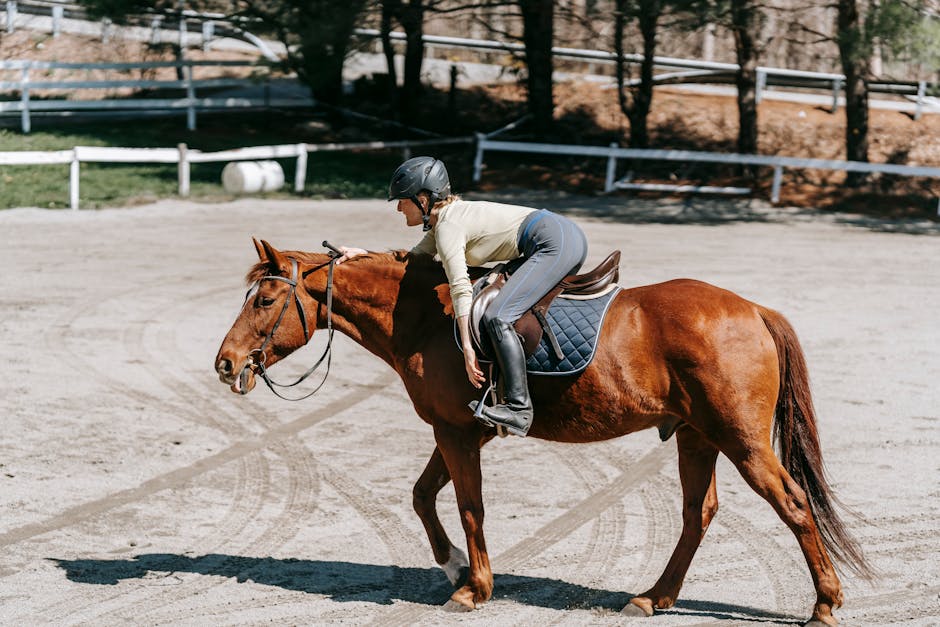
Nervousness around horses is completely normal and remarkably common, even among experienced riders. At Fernhurst Centre, we work regularly with nervous riders, and we've developed effective strategies to build confidence gradually and sustainably.
Understanding the source of nervousness is the first step. Some people fear horses because they're large and powerful. Others have experienced a fall or frightening incident. Some simply lack experience and feel uncertain about what might happen. Whatever the cause, dismissing someone's fear as irrational is unhelpful. Fear is a real physiological response, and it requires patient, structured support.
One of the most effective techniques is desensitisation through gradual exposure. Rather than forcing nervous riders onto horses immediately, we spend time building familiarity. This might mean grooming the horse, leading it, or simply standing nearby while talking about what we're doing. This removes the unknown and builds comfort at a manageable pace.
Breathing techniques are surprisingly powerful. When anxious, people typically breathe shallowly, which increases tension and fear. Teaching riders to breathe deeply and rhythmically—perhaps synchronising breath with the horse's movement—activates the parasympathetic nervous system and genuinely reduces anxiety. This is something riders can use both on and off the horse.
Starting with appropriate horses makes an enormous difference. Calm, well-trained, experienced horses with predictable temperaments help nervous riders feel safer. A spooky or unpredictable horse will reinforce fear. We carefully match nervous riders with horses known for patience and reliability.
Building competence through small, achievable goals is essential. Rather than focusing on riding faster or jumping higher, nervous riders benefit from mastering basics thoroughly. Success breeds confidence. Each small achievement—staying balanced at walk, managing a smooth transition to trot, or successfully executing a turn—proves capability and reduces anxiety.
Practical strategies we use include:
- Starting lessons in quiet, controlled environments rather than busy arenas
- Using the same horse and instructor consistently to build familiarity
- Explaining everything that's happening so nothing feels unexpected
- Celebrating small successes and progress rather than focusing on difficulties
- Teaching riders to recognise and manage their own anxiety symptoms
- Building understanding of horse behaviour so riders feel more in control
Mental techniques matter too. Visualisation—imagining successful rides in detail—helps nervous riders prepare mentally. Positive self-talk replaces catastrophic thinking. Many riders benefit from understanding that nervousness and excitement activate similar physiological responses; reframing nervousness as excitement can shift perspective.
It's important to acknowledge that some nervousness never completely disappears, and that's okay. Even experienced riders feel butterflies. The goal isn't to eliminate all anxiety but to develop confidence that you can handle it.
Progress isn't always linear. Setbacks happen, and that's normal. Patience—with yourself and the process—is essential. At Fernhurst Centre, we celebrate every rider's individual journey and recognise that building confidence takes time.